Back to home
Scientific Ranking Framework

Coffee Purity RankingsHeavy metals first. Marketing last.

This ranking is built like a lab-minded buyer would build it: lead, cadmium, arsenic, mercury, mycotoxins, pesticides, traceability, roast freshness, taste, and value. No certificate of analysis, no top tier.

5

scientific purity tiers

40%

score weight: heavy-metal COA

0

points for vague toxin theater

No-BS caution: this is buyer guidance, not a medical claim. Caffeine can affect sleep, anxiety, reflux, blood pressure, pregnancy, and medications. See a professional when relevant.

Heavy-metal scoring model

How a coffee gets ranked scientifically

The cleanest coffee is not the brand with the loudest “mold-free” claim. It is the coffee with the strongest audit trail for heavy metals and contaminants, then enough freshness and taste to justify buying again.

40 pts

Heavy-metal COA

Lead, cadmium, arsenic, and mercury results must be numeric, current, and tied to the lot being sold.

20 pts

Mycotoxin panel

Ochratoxin A and aflatoxins should be tested with lab name, date, detection limits, and pass/fail context.

15 pts

Pesticide / organic control

Organic certification helps, but residue testing or clear agricultural standards score higher.

15 pts

Traceability

Origin, farm/co-op or region, process, batch/lot, and decaf method if relevant.

10 pts

Freshness and value

Roast date, whole-bean format, packaging integrity, taste, and price per cup.

Filter by Purity Signal

Compare the heavy-metal ranking tiers.

Every coffee purity tier in the scoring model.

Showing 5 ranked options
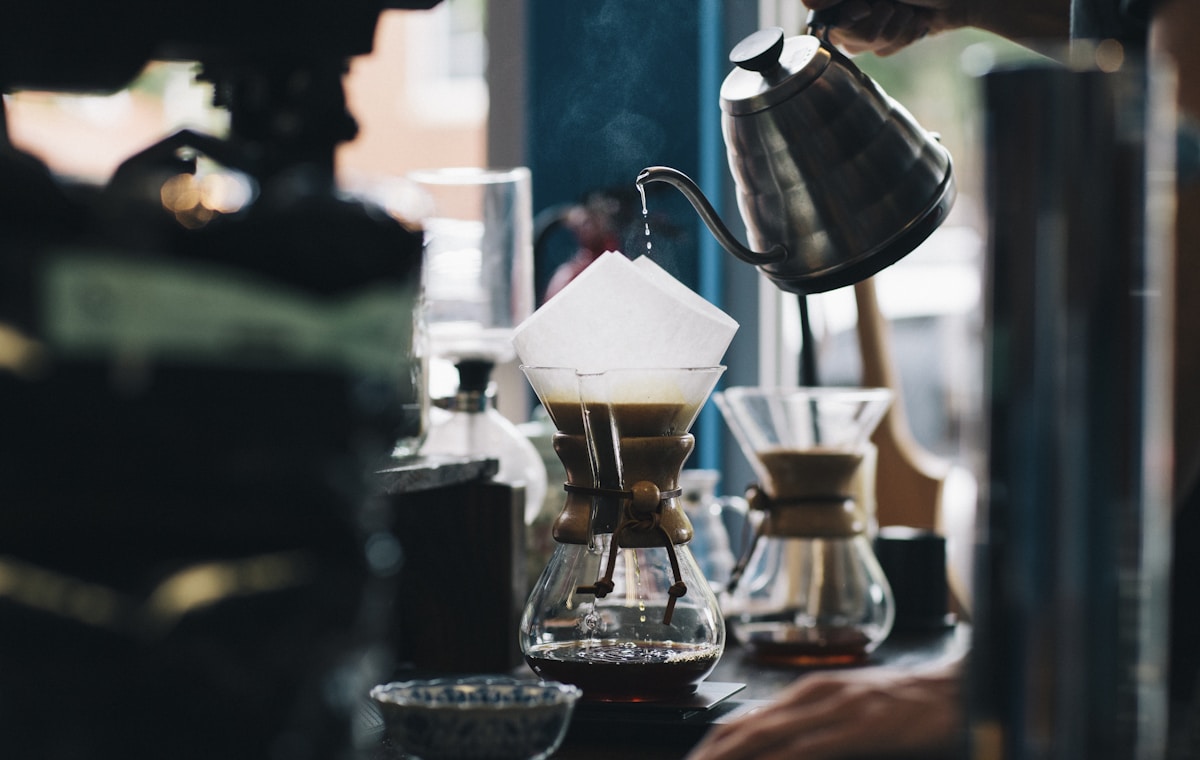
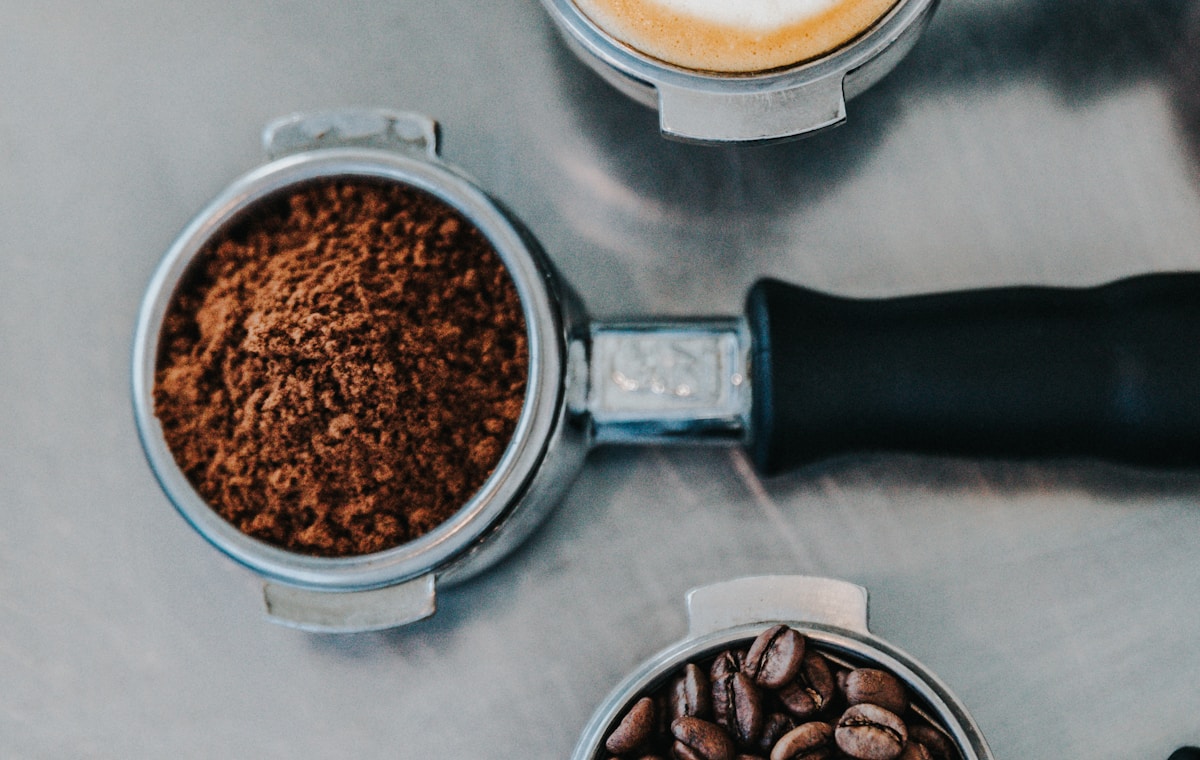
Actual cups of coffee during a tasting and evaluation setup

Actual coffee visual

#1Best default buy

A-tier: batch-level heavy-metal COA coffee

Lead, cadmium, arsenic, mercury disclosed for the current lot

This is the scientific gold standard. If a coffee claims purity but cannot show lead/cadmium/arsenic/mercury numbers for the lot being sold, it does not belong in A-tier. Period.

Purity Score

90–100 / A-tier

Proof signal: Highest confidence: results are numeric, current, batch-linked, and independently testable

Evidence

Current third-party certificate of analysis with numeric lead, cadmium, arsenic, mercury results; lab name; sample date; batch/lot link; detection limits; plus mycotoxin panel

Testing role

Best choice when coffee purity and heavy-metal accountability are the priority

Route

Whole bean; roast date and batch ID visible before purchase

Tradeoffs

Costs more; brands may rotate lots, so old COAs do not bless new bags
Updated: Re-check every batchKeep batch differences in mind
Fresh roasted whole coffee beans

Actual coffee visual

#2Strong practical option

B-tier: published contaminant-tested coffee

Heavy metals or mycotoxins disclosed, but not perfectly batch-linked

This tier is for brands doing meaningful testing but not giving the full lab-report trail. Respectable, but not the crown.

Purity Score

75–89 / B-tier

Proof signal: Moderate-to-high confidence: real testing exists, but not enough to audit every bag

Evidence

Third-party testing is published, but may be periodic, brand-level, or missing one transparency field such as detection limit, batch ID, or exact sample date

Testing role

Good option when evidence exists but the reporting is not fully forensic

Route

Whole bean preferred; origin and roast date disclosed

Tradeoffs

Can still be good coffee; just not the cleanest scientific proof tier

Updated: Update when new reports publishKeep batch differences in mind
Coffee being poured into a cup

Actual coffee visual

#3Organic transparency tier

C-tier: organic traceable specialty coffee

Organic, single-origin, transparent sourcing — no full heavy-metal panel

Organic is not a forcefield. Heavy metals come from soil and environment. Organic plus testing is science; organic alone is only a partial filter.

Purity Score

60–74 / C-tier

Proof signal: Moderate confidence: pesticide standards improve, heavy metals remain unproven

Evidence

Organic certification, traceable origin, freshness controls, and ideally periodic contaminant screening

Testing role

Useful if pesticide reduction and freshness matter but heavy-metal certainty is unavailable

Route

Whole bean; named origin; roast date visible

Tradeoffs

Organic does not prove low lead, cadmium, arsenic, or mercury

Updated: Certification and harvest change over timeKeep batch differences in mind
A real cup of coffee on a table

Actual coffee visual

#4Freshness-first tier

D-tier: fresh specialty coffee without contaminant reports

Great roaster, good origin story, no COA

Fresh is good. Fresh is not the same as tested. Do not let a beautiful tasting note distract you from missing heavy-metal data.

Purity Score

40–59 / D-tier

Proof signal: High for flavor freshness; low for purity verification

Evidence

Roast date, origin transparency, processing details, and direct-trade claims; no published heavy-metal/mycotoxin proof

Testing role

Best for taste-first buyers who accept unknown contaminant status

Route

Whole bean within roughly 2–21 days of roast

Tradeoffs

Could be excellent coffee and still fail the purity-evidence test

Updated: Roast date matters every bagKeep batch differences in mind
Close-up of whole roasted coffee beans

Actual coffee visual

#5Marketing-risk tier

F-tier: vague “clean” or “mold-free” coffee

Loud purity claims, no lab receipts

If “clean” is printed bigger than the lab report, that is not a standard. That is packaging with a microphone.

Purity Score

0–39 / F-tier

Proof signal: Low confidence: claim volume exceeds evidence

Evidence

No current COA, no numeric heavy-metal results, no lab name, no batch ID, no detection limits

Testing role

Avoid when buying for coffee purity

Route

Often pre-ground, old stock, or unclear lot history

Tradeoffs

Stale beans, vague sourcing, inflated toxin language, no audit trail

Updated: Do not trust best-by datesKeep batch differences in mind